
Why GDPR Still Matters in 2025
Seven years after its enforcement, the General Data Protection Regulation remains the gold standard for data privacy worldwide. If you’re running web analytics, managing marketing campaigns, or handling user data from European visitors, GDPR isn’t just a legal checkbox—it’s fundamental to building sustainable, trust-based relationships with your audience.
This guide cuts through the legal jargon and gives you actionable strategies specifically designed for marketers and analytics professionals. You’ll learn how to implement compliant tracking, handle user requests efficiently, and actually use GDPR as a competitive advantage.
What is GDPR? The Foundation You Need to Understand
The General Data Protection Regulation came into force on May 25, 2018, unifying data protection laws across all EU member states. Here’s what makes it critical for your work:
Geographic reach: GDPR applies to any organization—anywhere in the world—that processes personal data of EU/EEA residents. Even if your company is based in the US or Asia, if you have European visitors, you’re covered.
Enforcement teeth: Penalties reach up to €20 million or 4% of annual global turnover, whichever is higher. Real companies have paid these fines—British Airways (€22.5 million), Google (€50 million), and dozens of smaller businesses.
User empowerment: GDPR shifts power to individuals, giving them unprecedented control over their personal data.
Personal Data in Marketing: What Actually Counts?
Understanding how has GDPR affected marketing starts with knowing exactly what counts as personal data. It’s broader than most marketers initially think:
Obviously personal:
- Names, email addresses, phone numbers
- Physical addresses, social media profiles
- Payment information, account credentials
Technical identifiers (often overlooked):
- IP addresses (even truncated ones)
- Cookie IDs and device fingerprints
- User IDs and session tokens
- Behavioral tracking data tied to individuals
Sensitive categories (extra protection required):
- Health data, genetic information
- Political opinions, religious beliefs
- Sexual orientation, trade union membership
The key question: can this data identify a specific person, either alone or combined with other information? If yes, it’s personal data under GDPR.
The 7 GDPR Principles Every Marketer Must Know
These aren’t abstract legal concepts—they’re practical guidelines that shape how you collect and use data:
1. Lawfulness, Fairness, Transparency
You need a valid legal basis (usually consent for marketing) and must clearly explain what you’re doing with data. No hidden tracking or surprise data usage.
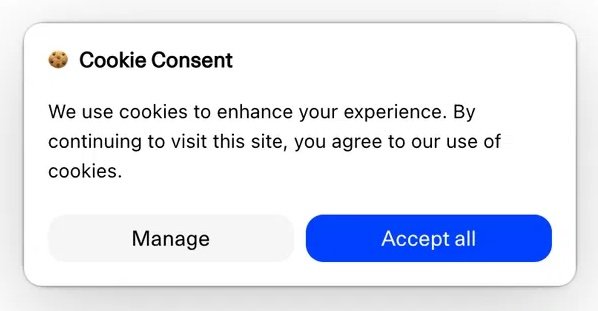
Practical application: Your cookie banner needs explicit consent for non-essential cookies. Pre-checked boxes don’t count. Learn more about lawful basis requirements.
2. Purpose Limitation
Collect data for specific, explicit purposes—then stick to them. You can’t collect emails for newsletter signups and suddenly start selling them to third parties.
3. Data Minimization
Only collect what you actually need. Running a blog? You probably don’t need users’ birthdates or phone numbers for your analytics.
4. Accuracy
Keep data up-to-date and provide easy ways for users to correct their information. Outdated marketing lists hurt both compliance and campaign performance.
5. Storage Limitation
Don’t keep data forever. Set retention periods (30 days for web analytics is common) and actually delete data when the period expires.
6. Integrity and Confidentiality
Encrypt sensitive data, use secure connections (HTTPS everywhere), limit team access, and have backup protocols.
7. Accountability
Document everything. Your consent records, data processing activities, security measures, and response procedures all need to be documented and audit-ready.

GDPR Compliance Marketing: Your Step-by-Step Implementation Plan
Audit Your Current Data Collection
Before fixing anything, understand what you’re collecting:
- List all analytics tools (Google Analytics, Hotjar, Facebook Pixel, etc.)
- Document what each tool collects and where data is stored
- Identify which tools use cookies and tracking technologies
- Map out any third-party data sharing
Pro tip: Many marketers discover they’re running 15+ tracking scripts they forgot about. This audit alone often reduces your compliance burden significantly.
Implement Proper Consent Management
Cookie consent isn’t optional anymore. Here’s what compliant consent looks like:
Must-haves:
- Separate consent for different purposes (analytics, marketing, personalization)
- Granular control—users choose what to accept
- Easy withdrawal (one-click opt-out)
- No access blocking for consent refusal
- Consent logging with timestamps
Tools worth considering:
- Cookiebot, OneTrust for enterprise
- Cookie Notice, Complianz for WordPress
- Built-in consent modes in privacy-focused analytics
Insert screenshot: Example of granular cookie consent interface with separate toggles
Revamp Your Privacy Policy
Your privacy policy needs to be actually useful, not just legal boilerplate. Include:
- What specific data you collect (be explicit)
- Why you need each type of data
- How long you store it
- Who you share it with (name specific services)
- User rights and how to exercise them
- International data transfer information
Use tools like Iubenda or Termly for generating compliant policies, but customize them to your actual practices. For SEO tracking that respects these principles, see our guide on privacy-safe SEO analytics.
Enable Data Subject Rights
GDPR gives users eight specific rights. For marketing teams, these matter most:
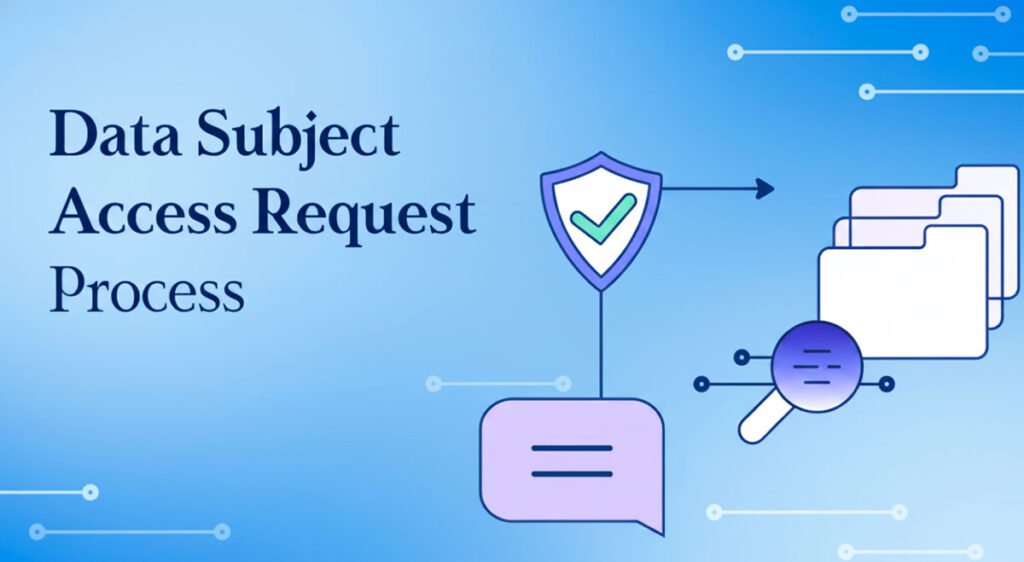
Right to Access (DSAR – Data Subject Access Request): Users can request all data you hold about them. You have 30 days to respond with a complete, readable export.
Right to Erasure (“Right to be Forgotten”): Users can demand deletion of their personal data. You must comply unless you have legitimate grounds to keep it (legal obligations, ongoing contracts).
Right to Data Portability: Users can request their data in a machine-readable format to transfer to another service.
Right to Object: Users can object to processing, especially for direct marketing. Once they object, you must stop processing their data for that purpose.
Implementation checklist:
- Create a simple DSAR submission form
- Document your response process
- Train your team on request handling
- Set up automated deletion workflows where possible
Companies like Transcend or ComplyDog offer automation if you’re handling hundreds of requests.
Marketing Data Protection: Practical Scenarios and Solutions
Email Marketing Campaigns
The challenge: You have a list of 50,000 subscribers collected over five years. Are they all compliant?
GDPR-compliant approach:
- Send re-consent emails to older subscribers (pre-May 2018)
- Implement double opt-in for new signups
- Include easy unsubscribe in every email
- Document consent timestamps and sources
- Clean your list regularly (remove bounces, inactive users)
Don’t: Buy email lists, scrape contacts from LinkedIn, or add people without explicit consent.
Facebook Pixel and Retargeting
The challenge: Retargeting requires tracking individual user behavior across your site and platforms.
GDPR-compliant approach:
- Get explicit consent before loading Facebook Pixel
- Use Facebook’s Limited Data Use features
- Implement Conversion API for server-side tracking (less invasive)
- Clearly explain retargeting in your privacy policy
- Offer easy opt-out of personalized ads
Web Analytics for Content Sites
The challenge: Understanding user behavior without violating privacy.
GDPR-compliant approach:
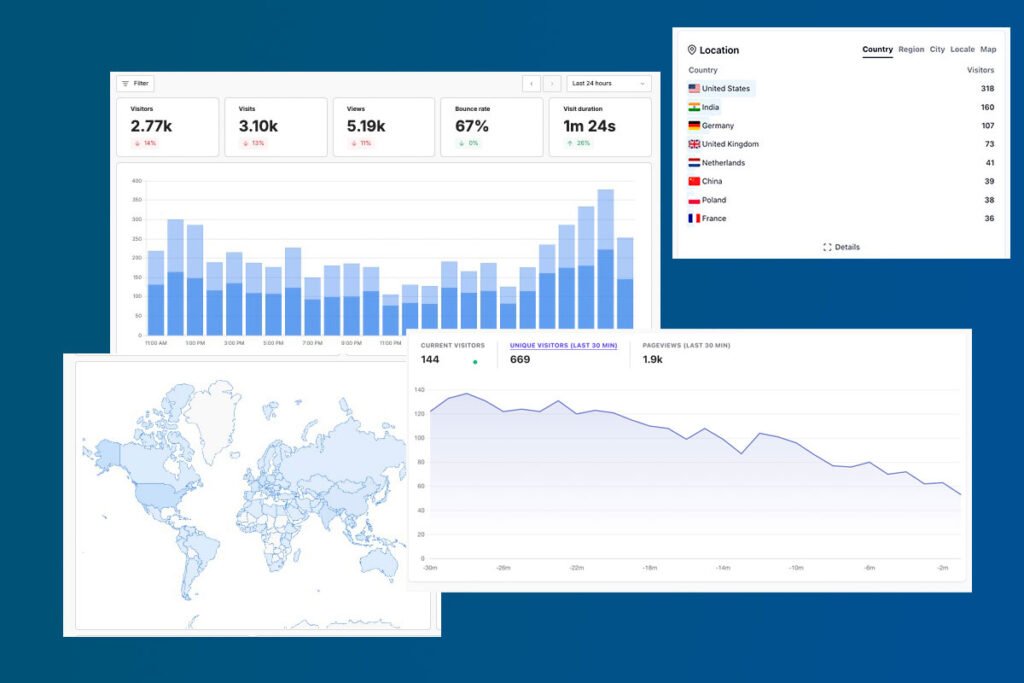
- Switch to privacy-focused analytics (Plausible, Fathom, Simple Analytics)
- If using Google Analytics: enable IP anonymization, data retention limits, and consent mode
- Consider cookieless analytics that don’t track individuals
- Anonymize user data at collection point
A/B Testing and Personalization
The challenge: Personalization inherently requires identifying and tracking users.
GDPR-compliant approach:
- Get consent specifically for personalization
- Use session-based testing when possible
- Anonymize test results data
- Document legitimate interest basis if using essential optimization
- Allow users to opt out of personalized experiences
Real-World GDPR Enforcement: Learn from Others’ Mistakes
Case Study 1: Google’s €50 Million Fine (2019)
What happened: French regulator CNIL fined Google for unclear consent mechanisms and inadequate information about data use in ads personalization.
Key lesson: Generic, bundled consent doesn’t work. Users need specific choices for specific purposes.
Case Study 2: British Airways Data Breach (€22.5M Fine)
What happened: Attackers compromised BA’s website, harvesting customer data. ICO found BA’s security measures insufficient.
Key lesson: Even if you’re breached, penalties depend on your security posture. Good security practices reduce liability. Remember the 72-hour breach notification requirement.
Case Study 3: Clearview AI’s Multiple Bans
What happened: Clearview scraped billions of social media photos for facial recognition without consent. Banned and fined across multiple European countries.
Key lesson: “Publicly available” doesn’t mean “free to scrape and process.” Context matters for data collection.
Advanced Implementation: Technical Measures That Actually Work
Server-Side Tracking
Moving tracking from browser to server reduces personal data exposure:
- Fewer third-party cookies
- Better control over what data is sent where
- More reliable tracking (not blocked by ad blockers)
- Easier to implement consent choices
Google Tag Manager Server-Side is one option, but privacy-focused alternatives like Plausible need no tracking script adjustments.
Data Anonymization vs. Pseudonymization
Anonymization: Permanently removing identifiable elements. Anonymized data isn’t subject to GDPR.
Pseudonymization: Replacing identifiable data with pseudonyms. Still considered personal data, but safer.
For web analytics, IP address truncation (removing last octet) is pseudonymization, not anonymization.
Encryption and Access Control
Practical steps:
- Use TLS/SSL certificates (HTTPS) everywhere
- Encrypt databases containing personal data
- Implement role-based access control
- Use password managers and 2FA for all team accounts
- Regular security audits and penetration testing
International Marketing: Data Transfers Outside the EU
Post-Schrems II ruling, transferring personal data outside the EU got complicated. If your analytics or marketing tools store data in the US or elsewhere, understand:
Valid transfer mechanisms:
- Standard Contractual Clauses (SCCs) – most common
- Adequacy decisions for certain countries
- Binding Corporate Rules for large organizations
Major US services responses:
- Google Analytics moved to SCCs
- Facebook offers SCCs for advertisers
- AWS, Azure provide EU data residency options
Safest approach: Use EU-hosted services when possible. Many analytics alternatives (Matomo, Plausible) offer EU-only data storage.
Learn more about international transfers from the European Data Protection Board.
Building Your GDPR Compliance Stack
Here’s a practical tech stack for compliant marketing:
Analytics:
- Primary: Plausible, Fathom, or Simple Analytics (cookieless, EU-hosted)
- Alternative: Google Analytics 4 with consent mode and IP anonymization
Consent Management:
- Cookiebot, OneTrust, or Osano for comprehensive management
- Complianz or Cookie Notice for WordPress
Email Marketing:
- Platforms with built-in GDPR features: Mailchimp, Sendinblue, ConvertKit
- Ensure EU data storage options
CRM:
- HubSpot, Salesforce with proper consent tracking
- Custom fields for consent timestamps and sources
Request Management:
- Privacy request automation: Transcend, OneTrust
- Manual process: documented workflows + spreadsheet tracking
The Competitive Advantage of Privacy-First Marketing
Here’s what most marketers miss: GDPR compliance isn’t just risk mitigation—it’s differentiation.
The data shows:
- 86% of consumers care about data privacy (Cisco, 2023)
- 47% switched companies over data handling concerns
- Privacy-focused brands see higher trust scores
Practical benefits you’ll see:
- Higher-quality leads (people who actually want to hear from you)
- Better email engagement (clean, consented lists)
- Reduced infrastructure costs (less data to store and process)
- Improved brand reputation and customer loyalty
- Competitive edge in regulated industries
Looking Forward: GDPR’s Evolution
While GDPR’s core principles remain stable, enforcement continues evolving:
Current trends (2025):
- Stricter cookie consent enforcement across EU
- Growing focus on dark patterns in consent interfaces
- Increased penalties for repeat offenders
- More coordination between national regulators
- Greater scrutiny of AI/ML data processing
Coming regulations to watch:
- ePrivacy Regulation (still pending)
- Digital Services Act (DSA) interactions
- National implementations with local requirements
Conclusion: Making Privacy Your Default
The best GDPR strategy is simple: collect less data, protect what you collect, and be transparent about everything. For marketers and analytics professionals, this means rethinking some traditional practices, but the outcome is stronger—more trusted, more sustainable marketing.
Start with your biggest risk areas: cookie consent and data retention. Fix those, then systematically work through email lists, third-party integrations, and documentation. Within a quarter, you can transform from reactive compliance to proactive privacy leadership.
Your users will notice. Your regulators will appreciate it. And your marketing performance—built on genuine relationships rather than surveillance—will be more resilient for the long term.
Additional Resources
About the Screenshots: Replace these placeholders with authentic screenshots from your analytics dashboard, cookie consent banner, privacy policy page, and data management interfaces. Show real settings panels, anonymization toggles, consent logs, and DSAR forms from the tools you actually use.
Last Updated: November 2025

Ethan Lewis is an SEO strategist and web analytics consultant with over 8 years of experience helping businesses turn data into growth. He specializes in privacy-compliant analytics, technical SEO, and conversion optimization. At Statlyzer, Ethan writes in-depth guides that make complex analytics topics accessible to marketers and website owners.